 Reviews


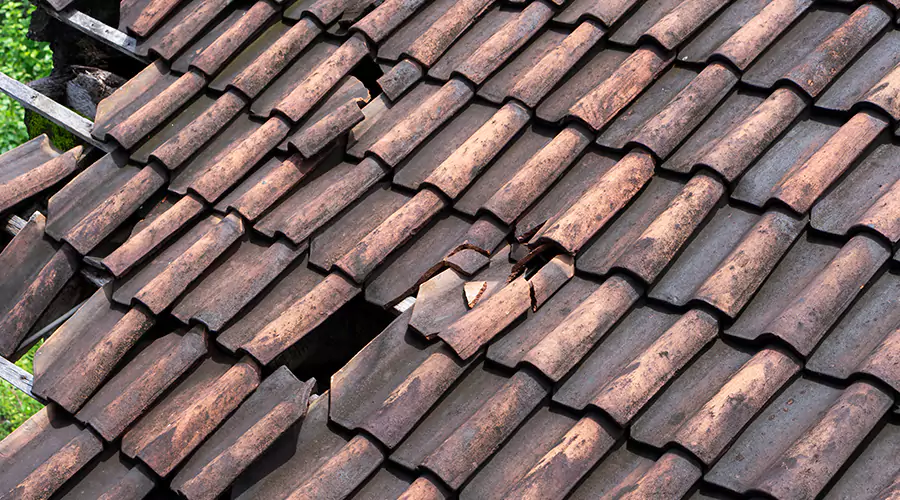
Asphalt shingle roofs are one of the most common roofing systems for residential homes. Homeowners often choose them because they are practical, widely available, and work well with many different home styles. When properly installed and maintained, they can provide solid protection for many years. However, not every asphalt shingle roof reaches its full expected lifespan.
Some roofs begin showing wear much earlier than expected. Shingles may curl, crack, lose granules, or fail to keep water out long before homeowners were prepared for major repair work. In many cases, early roof failure is not caused by one single issue. It usually happens because of a combination of installation problems, maintenance neglect, weather stress, ventilation issues, or material wear. In this guide, we will explain the most common reasons asphalt shingle roofs fail early and what homeowners can do to reduce the risk.
Why Early Roof Failure Matters?
When an asphalt shingle roof fails early, the cost is not limited to the roofing materials alone. Homeowners may face repair bills sooner than expected, and the roof may also allow moisture to affect other parts of the home.
Early roof failure can lead to:
- Repeated shingle repairs
- Leaks and interior water damage
- Wet attic insulation
- Mold or mildew growth
- Higher maintenance costs over time
- Premature roof replacement
Understanding what causes early failure can help homeowners protect their investment and avoid bigger problems later.
1. Poor Roof Installation
One of the most common reasons asphalt shingle roofs fail early is poor roof installation. Even quality shingles can underperform if they are not installed correctly. A roof is a full system, and problems with alignment, fastening, flashing, or underlayment can weaken the entire setup.
Installation problems may include:
- Shingles not placed correctly
- Improper nailing patterns
- Poor sealing between shingle courses
- Weak flashing installation around vents or chimneys
- Inadequate underlayment placement
- Exposed fasteners in vulnerable areas
When installation shortcuts happen, the roof may become more vulnerable to wind, water intrusion, and material wear far sooner than it should.
2. Poor Attic Ventilation
Ventilation plays a major role in roof health, especially with asphalt shingles. If the attic traps too much heat and moisture, the roofing materials above it can age faster. Excess heat can dry out shingles and contribute to curling, brittleness, and reduced overall performance.
Poor ventilation may lead to:
- Excess attic heat buildup
- Moisture staying trapped below the roof deck
- Faster shingle aging
- Reduced insulation performance
- Mold or mildew in attic spaces
A roof may look fine from the ground while poor attic conditions quietly shorten the life of the shingles from below.
3. Lack of Regular Roof Maintenance
Asphalt shingle roofs need routine attention if they are going to last as long as possible. Small problems such as loose shingles, minor flashing gaps, or gutter blockages may seem harmless at first, but if they are ignored, they can lead to faster deterioration.
Lack of maintenance can allow:
- Small leaks to spread
- Moisture to remain trapped near roof edges
- Moss and algae to grow unchecked
- Debris to collect in roof valleys
- Damaged shingles to stay exposed longer
Routine inspections and basic maintenance often make a big difference in how long an asphalt shingle roof lasts.
4. Storm Damage That Goes Unnoticed
Wind, hail, and heavy rain can all affect asphalt shingles. Sometimes the damage is obvious, such as shingles blowing off. Other times, the storm weakens the shingles without creating an immediate leak. Over time, that hidden storm damage can lead to early failure.
Storm-related roof stress may include:
- Lifted shingle edges from wind
- Bruising from hail impact
- Granule loss after heavy weather
- Cracks caused by debris impact
- Flashing movement around roof features
If storm damage is not identified early, the roof may continue to decline until the next storm causes more visible problems.
5. Extreme Sun and Heat Exposure
Asphalt shingles are exposed to sunlight every day, and strong heat over long periods can gradually wear them down. In hotter climates or on roofs with poor ventilation, this effect may be even stronger.
Excessive heat can contribute to:
- Drying and brittleness
- Surface cracking
- Faster granule loss
- Shingle curling
- Reduced flexibility during temperature changes
Sun and heat exposure are normal, but when combined with other issues such as poor ventilation or aging materials, they can speed up early roof failure.
6. Granule Loss Over Time
Granules are an important part of asphalt shingles. They help protect the shingle surface from sunlight and weather wear. Some minor granule loss is normal, especially as the roof ages, but heavy granule loss is a warning sign that the shingles are wearing down more quickly than they should.
Granule loss may be caused by:
- Aging shingles
- Strong weather exposure
- Hail impact
- Poor quality materials
- Excessive foot traffic on the roof
When shingles lose too many granules, they become more vulnerable to sun damage, cracking, and moisture problems.
7. Clogged Gutters and Drainage Problems
Drainage has a direct effect on asphalt shingle performance. When gutters become clogged, water can back up near the roof edge and remain in contact with materials longer than it should. That added moisture can weaken roofing components and create conditions that shorten the life of the shingles.
Drainage problems may cause:
- Water intrusion near roof edges
- Moisture damage around fascia boards
- Added wear at low drainage points
- Roof edge deterioration over time
Clean gutters and clear drainage paths help asphalt shingles perform more effectively throughout their lifespan.
8. Moss and Algae Growth
Moss and algae are more than just appearance issues. On asphalt shingle roofs, moss can trap moisture against the surface and slowly lift shingle edges. That creates more chances for water to get beneath the shingles and affect the materials below.
Growth on the roof may lead to:
- Moisture staying on the surface longer
- Faster shingle breakdown
- More stress on roof valleys and shaded areas
- Greater risk of leaks where moisture remains trapped
If moss or algae keeps returning, the roof may need more than basic cleaning. It may need inspection for moisture and drainage problems as well.
9. Low-Quality Materials
Not all asphalt shingles perform at the same level. Lower-quality materials may have shorter life expectancy, weaker resistance to weather, or reduced durability under long-term heat and moisture exposure.
Material quality can affect:
- How well shingles hold granules
- Resistance to cracking and curling
- How well the roof handles wind exposure
- Long-term durability under normal weather stress
Even with proper installation, lower-grade materials may not provide the same long-term performance as stronger roofing products.
10. Repeated Temperature Changes
Asphalt shingles expand and contract as temperatures rise and fall. Over time, repeated temperature swings can stress the roofing materials, especially if the roof already has weak points.
This type of stress may contribute to:
- Cracking in aging shingles
- Sealant breakdown
- Curling at edges and corners
- Greater wear in exposed roof sections
Temperature changes are part of normal roof life, but when combined with age, poor ventilation, or weather damage, they can speed up failure.
11. Improper Roof Repairs
A poorly done repair can create new roofing problems instead of solving the original one. If damaged shingles are patched incorrectly or flashing is not restored properly, the roof may stay vulnerable even after repair work has been completed.
Improper repairs may cause:
- Water to keep entering around the same area
- Shingles to lift again during the next storm
- Moisture to stay trapped below patched sections
- Nearby materials to wear faster than expected
That is why repair quality matters just as much as installation quality when it comes to roof lifespan.
Warning Signs an Asphalt Shingle Roof May Be Failing Early
Homeowners should watch for signs that the roof is aging faster than expected. These warning signs often show up before a major leak appears.
Common signs include:
- Curling or cracked shingles
- Bald spots where granules are missing
- Shingles blowing off in moderate weather
- Repeated leaks after rain
- Heavy granule buildup in gutters
- Visible wear across multiple roof sections
- Musty attic odors or moisture signs
The earlier these signs are noticed, the better the chance of controlling the damage.
How Homeowners Can Help Extend Roof Life?
While no roof lasts forever, there are steps homeowners can take to help asphalt shingle roofs last longer.
Helpful steps include:
- Scheduling regular roof inspections
- Cleaning gutters and drainage paths
- Checking the roof after storms
- Removing debris from valleys and roof surfaces
- Addressing minor repairs early
- Having attic ventilation evaluated if comfort or moisture problems appear
A proactive approach often helps prevent the small conditions that lead to early failure.
Final Thoughts
Asphalt shingle roofs can fail early for many reasons, including poor installation, poor ventilation, lack of maintenance, storm damage, heat exposure, granule loss, drainage problems, moss growth, low-quality materials, temperature stress, and improper repairs. In many cases, early roof failure is not the result of one dramatic event. It is the result of smaller issues building up over time.
The good news is that many of these problems can be reduced with proper installation, regular maintenance, and early attention to warning signs. When homeowners stay proactive, they have a better chance of getting the full value and lifespan out of their asphalt shingle roof.